Modern Kitchen Cabinet doors or Traditional Cabinet Styles: From shaker cabinets and beyond
When renovating or working on your kitchen design, one of the biggest decisions you’ll make is choosing the right kitchen cabinet style. Your cabinets set the tone for the entire space. They’re also where form meets function and joinery plays a big part in that.
From modern handle-less cabinetry to timeless Shaker doors, each cabinet style comes with unique structural features, aesthetic benefits and levels of craftsmanship. In this guide, we’ll explore the differences between modern and traditional cabinet styles, with a closer look at joinery techniques, hardware considerations and the kinds of kitchen cabinet types that are in style today.
What Defines Modern Cabinet Doors?
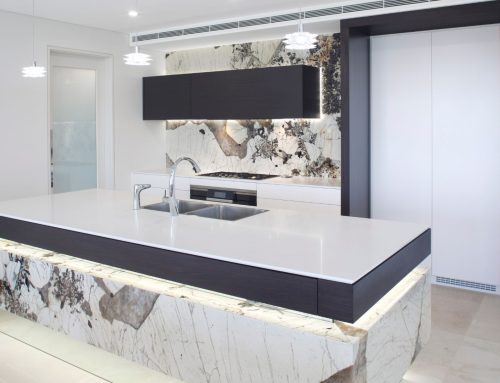
Modern kitchen cabinets are all about minimalism and clean lines. They often lean on flat, unembellished surfaces, integrated handles and cutting-edge materials.
Key Features of Modern Cabinets for modern kitchens
- Flat-panel doors (Slab style): No frames, bevels or detailing just smooth, uninterrupted surfaces.
- Handle-less designs: Push-to-open or recessed finger pulls that create a sleek, uncluttered look.
- Matte or high-gloss finishes: Common in laminate, acrylic or polyurethane-painted surfaces.
- Integrated appliances: Many modern layouts favor cabinetry that conceals appliances for a streamlined aesthetic.
Find some inspirations in our latest Modern Kitchen projects.
Joinery in Modern Kitchen Cabinets
Modern cabinet styles often rely on machine-cut joinery like dowel construction or cam-and-dowel systems. These allow for mass production and faster installation while still offering durability.
Handle-less cabinetry, in particular, requires precision joinery to maintain clean reveals and alignment. Mechanical opening systems (like Blum Tip-On or Servo-Drive) must be installed with tight tolerances, making skilled joinery a must despite the minimalist design.

Modern Kitchen Cabinets
What Defines Traditional Kitchen Cabinet Styles?
Traditional cabinets draw from classic design, often featuring intricate profiles, visible joinery and heritage-style materials.
Key Features of Traditional Cabinets
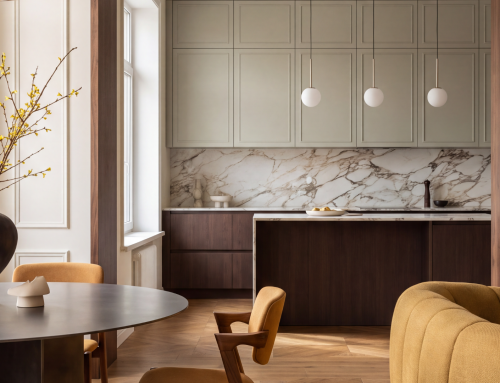
- Framed doors (e.g. Shaker, Raised Panel): A solid frame around each door or drawer front creates depth and dimension.
- Ornate detailing: Decorative mouldings, corbels or fluted legs are common.
- Visible hardware: Handles and knobs are functional and decorative, often in antique brass, brushed nickel or ceramic finishes.
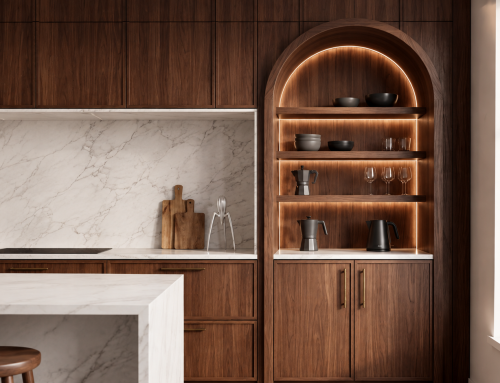
- Natural timber finishes: Oak, walnut, ash and other woods are popular choices, sometimes with visible grain and patina.
Check out our traditional kitchens for inspiration.
Joinery in Traditional Kitchen Cabinet design
Craftsmanship is at the heart of traditional cabinetry. Mortise and tenon, dovetail joints and tongue-and-groove paneling are commonly used, often done by hand or with specialist machinery. These methods result in incredibly strong cabinets, with the joinery becoming a visual feature in itself.
Drawer boxes often use dovetail joints, a hallmark of high-end, traditionally built furniture. Exposed end-grain joinery in natural wood also adds to the sense of authenticity and durability.

Kitchen Cabinet Types Explained
Regardless of whether you’re leaning modern or traditional, the type of kitchen cabinet you choose, in terms of construction, will affect functionality and longevity.
1. Base Cabinets
Found under benchtops, these are workhorse storage units for pots, pans and pantry goods. In both modern and traditional styles, soft-close hinges and drawer runners are now a standard inclusion.
2. Wall Cabinets
Mounted above benchtops, wall cabinets are used for frequently accessed items. In modern kitchens, these often feature lift-up doors or bi-fold mechanisms to streamline the space.
3. Tall Cabinets
Pantry-style or appliance towers that maximize vertical space. Handle-less, full-height versions are a staple of modern designs.
4. Specialty Units
Corner units, pull-out pantries and integrated bins are available in both style categories. It’s the external detailing and joinery that differentiates them.
What Kitchen Cabinets Are in Style Right Now?
Current trends blur the line between traditional charm and modern innovation. Here’s what’s gaining popularity in 2025.
Hybrid Cabinetry
Mixing flat-panel doors with Shaker-style cabinets in the same kitchen, often separating prep areas from social spaces, is increasingly popular. This allows you to combine traditional craftsmanship with modern efficiency.
Textured Finishes
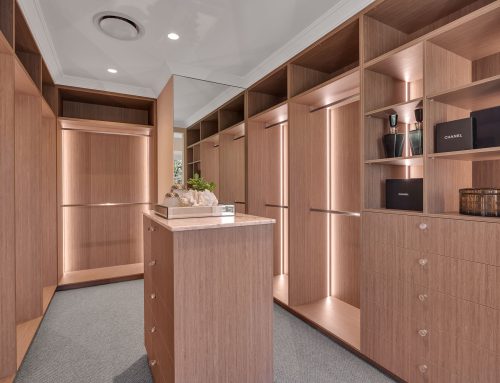
Woodgrain laminates, fluted timber and ribbed glass inserts are on trend. These add tactile interest to clean-lined cabinet fronts.
Bold Hardware Choices
Even in modern kitchens, there’s a move toward statement handles in matte black, aged brass or leather pulls that bridge old and new.
Handle-less Systems with Smart Tech
Touch-to-open drawers, sensor-driven lift-up doors and integrated LED lighting are hallmarks of modern luxury.

How to Choose the Right Cabinet Style for Your Home
Choosing between modern and traditional cabinet styles comes down to how you live, the architecture of your home and your long-term goals.
Lifestyle Considerations
- Busy households: Handle-less, easy-clean surfaces are great for families or entertainers who want a fuss-free kitchen.
- Heritage homes: If your home has period features, traditional cabinetry helps maintain continuity and adds resale value.
- Design-savvy homeowners: A custom hybrid approach lets you highlight specific zones while tailoring joinery for performance.
Maintenance and Durability
- Traditional timber cabinets can age beautifully, but may require more maintenance (e.g. oiling or refinishing).
- Modern laminate or polyurethane cabinets are low maintenance, stain-resistant and ideal for high-use kitchens.
Budget
- Modern cabinets tend to be more cost-effective if using flat-pack or modular systems.
- Traditional styles with hand-finished joinery or solid timber frames are often more expensive due to labor and materials.
There’s no one-size-fits-all when it comes to kitchen cabinet styles. The best choice is the one that suits your home’s character, your lifestyle and your priorities. Whether that’s the tactile elegance of traditional joinery or the seamless look of modern handle-less cabinetry.
As you weigh up what kitchen cabinets are in style, remember: good design is about more than looks. It’s also about how your kitchen feels to live in and joinery plays a key role in that.
If you’re planning a new kitchen and want to explore your cabinet options further, our team can guide you through the best cabinet styles and joinery solutions for your space.
If you’re considering a full remodel, explore processes, or get in touch with our design team to start planning your space.
🔗 Discover our full-service difference
🔗 Book a design consultation today