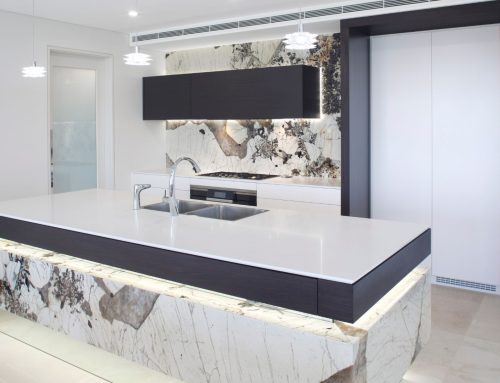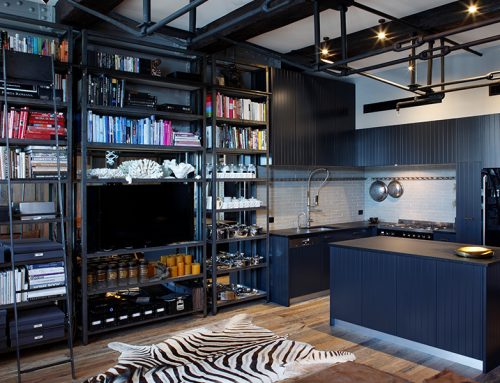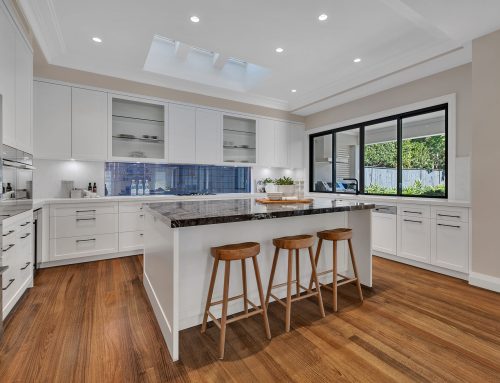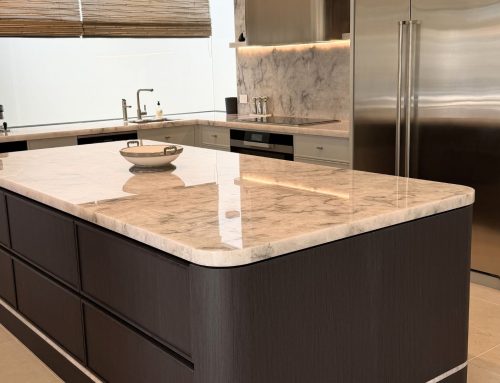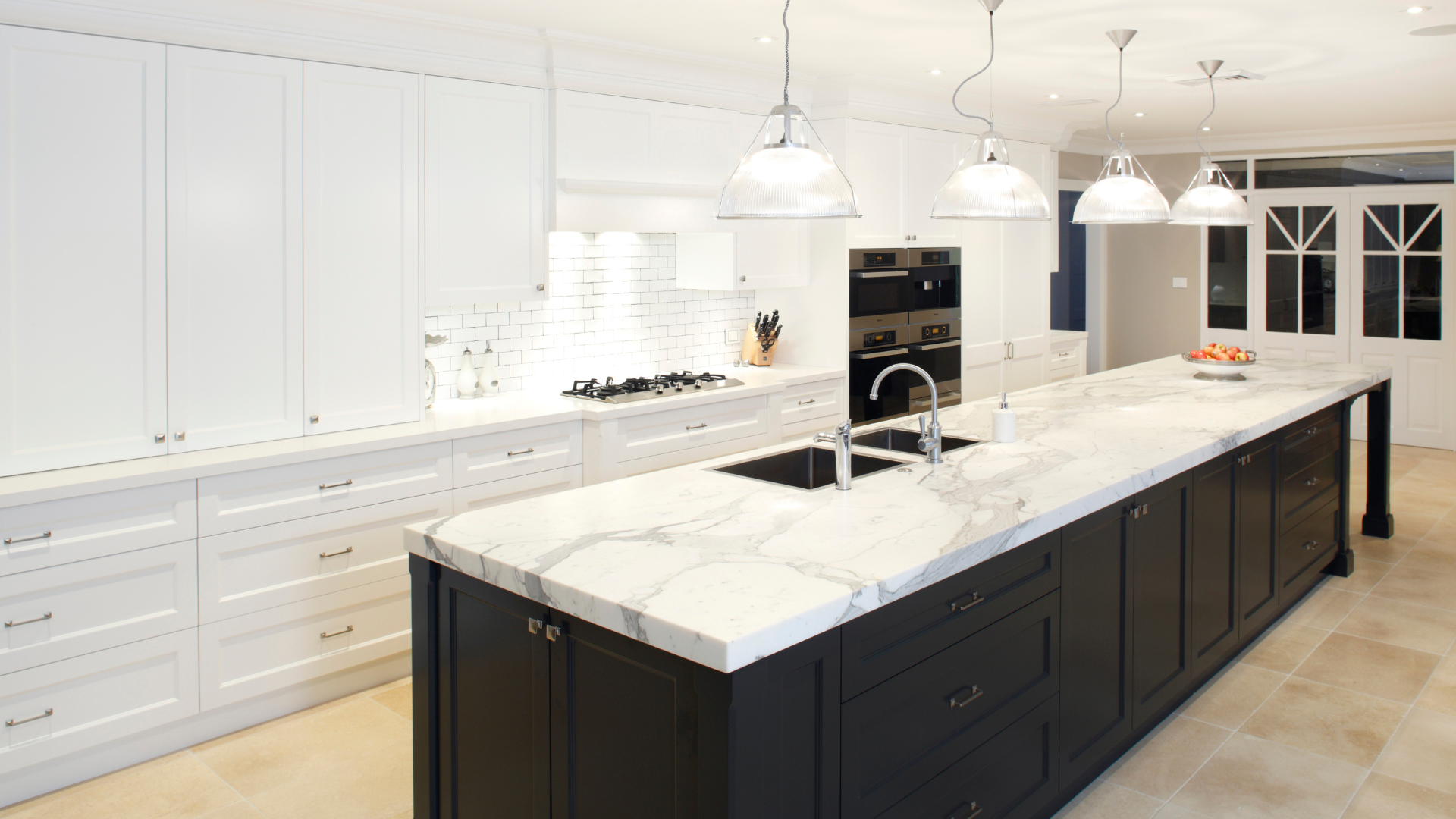
Sustainability has become a bigger part of how people think about their homes and the kitchen is no exception.
It comes down to making choices that will last. Materials that last, appliances that work efficiently and a layout that supports the way you live day to day.
When those elements come together, you get a kitchen that not only looks good, but continues to perform well for years.
Start with longevity
A big part of sustainable design comes down to how long your kitchen lasts.
If a kitchen needs to be replaced or heavily repaired after a few years, the impact is much higher than one that’s built properly from the start.
Investing in quality materials and experienced craftsmanship means everything holds up better over time. You’re not constantly fixing, replacing or updating elements that weren’t designed to last.
It’s a simpler approach, but it makes a noticeable difference.
Choosing materials that hold up
The materials you select play a big role in how your kitchen performs over time.
It’s not just about how they look on day one, but how they handle daily use, cleaning and wear.
Some common considerations include:
- Timber and veneers from reliable, responsibly sourced suppliers
- Low-emission boards and finishes
- Durable stone surfaces that won’t need replacing after a few years
- Quality hardware that continues to function properly with regular use
Working with materials that are built to last reduces the need for replacements and helps keep everything consistent over time.
At Art of Kitchens, we’re always reviewing materials and suppliers, with a growing focus on more sustainable options and Australian sourcing where possible.
Appliances that use less without sacrificing performance
Appliances are one of the biggest contributors to energy use in a kitchen, so the choices here matter.
Most modern appliances are designed to be more efficient without losing performance, which makes it easier to reduce energy use without changing how you cook or use the space.
Things to look for include:
- Strong energy ratings and efficiency certifications
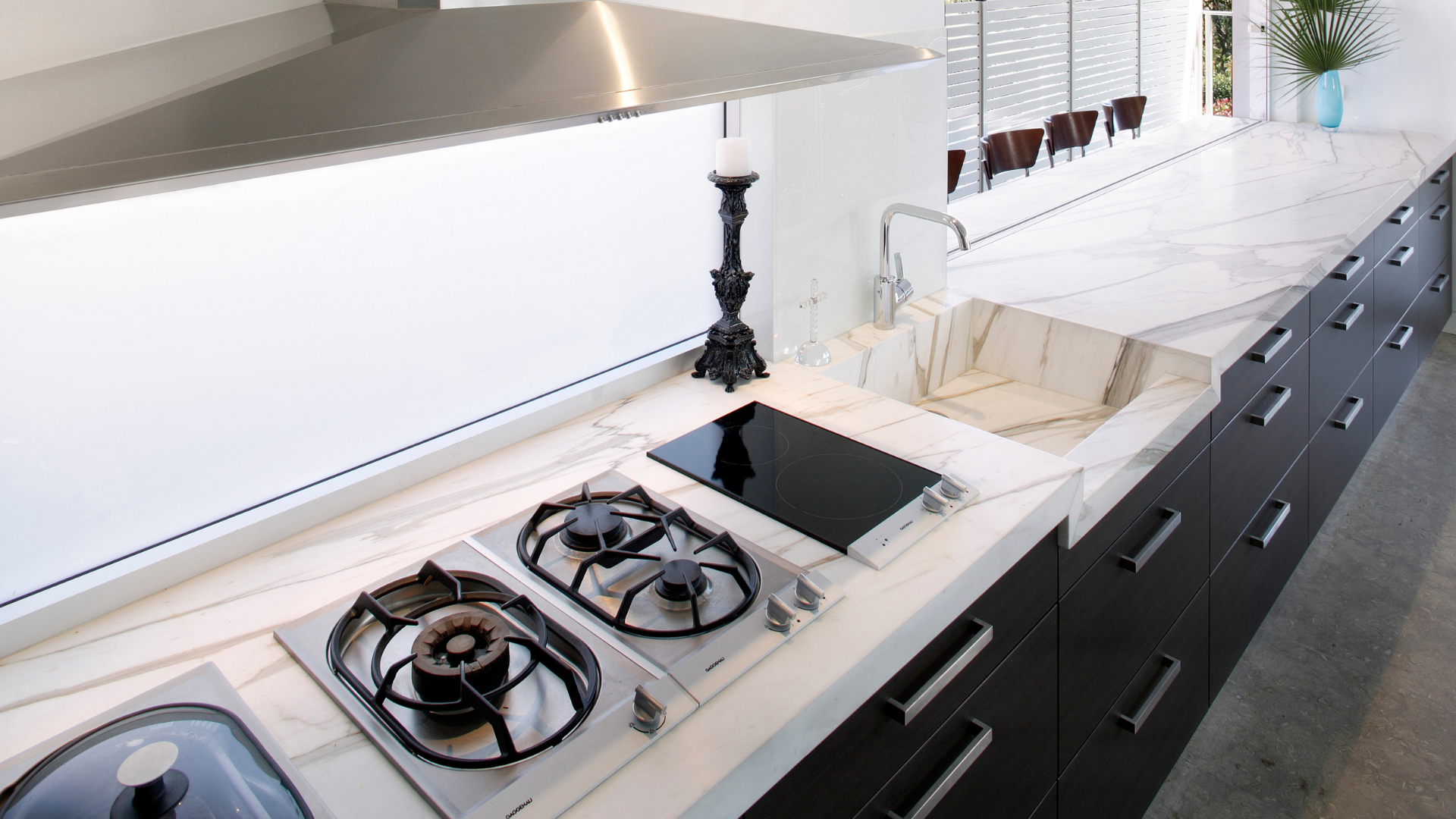
- Induction cooktops for faster, more efficient cooking
- Water-efficient dishwashers
- Refrigeration designed to maintain performance with lower energy use
These upgrades tend to pay off over time, both in energy use and day-to-day convenience.
Designing for efficiency
The way a kitchen is designed has a direct impact on how efficiently it runs.
A layout that flows well, with storage that makes sense, naturally reduces waste and makes everyday tasks easier.
This can include:
- Integrated recycling and waste separation
- Storage that keeps food visible and easy to access
- Layouts that reduce unnecessary movement and make better use of space
When everything is easy to find and use, it’s much easier to maintain better habits without thinking about it.
Lighting that works with the space
Lighting often gets left until the end, but it plays a big role in both function and energy use.
LED lighting is now standard in most kitchens, offering long life and lower energy consumption. From there, it’s about how you layer it.
- Task lighting for preparation areas
- General lighting for the overall space
- Feature lighting to add depth and warmth
Dimmable lighting also gives you more flexibility depending on how the kitchen is being used throughout the day.
Looking at the bigger picture
Sustainability isn’t tied to one product or feature. It comes from how everything is brought together.
When design, manufacturing and installation are handled by the same team, there’s more control over materials, processes and outcomes. That usually means less waste, fewer mistakes and a smoother build overall.
It also allows decisions to be made earlier, rather than being corrected later.
A kitchen that lasts
A well-designed kitchen should feel just as considered years down the track as it does on day one.
Focusing on durability, efficient appliances and a layout that works for your daily routine helps create a space that continues to perform over time.
At Art of Kitchens, we’re always refining how we design and build, bringing in smarter materials and more efficient processes while maintaining the level of quality our clients expect.
If you’re planning a renovation, it’s worth thinking about how your kitchen will perform long after it’s installed, not just how it looks when it’s finished.